Shopify Customer Retention: 15 Strategies to Turn One-Time Buyers Into Loyal CustomersView as Markdown

Explore 15 proven Shopify customer retention strategies, from loyalty programs and personalized SMS to post-purchase follow-ups, referrals, and feedback that turn one-time buyers into loyal customers.

Illustration of head-to-head logo match - EZ Texting vs. SimpleTexting
Key Takeaways
  • Customer retention is more cost-effective than acquisition: retaining an existing customer costs significantly less than converting a new one, and repeat customers spend more per order over time.
  • The most effective Shopify retention strategies combine loyalty programs, personalized communication, post-purchase follow-ups, and social proof into a cohesive system rather than isolated tactics.
  • SMS is one of the highest-impact retention channels available to Shopify stores: specialty retail businesses running active SMS programs on EZ Texting report 85% or higher annual customer retention, compared to a 60% baseline for non-SMS customers.
  • 36% of consumers report buying more from businesses that reward their loyalty, making a structured loyalty program one of the most direct levers for increasing repeat purchase rate.
  • Personalized messaging based on purchase history and customer segments outperforms generic broadcast messaging on every retention metric, including repeat purchase rate, average order value, and opt-out rate.
  • Measuring retention requires tracking customer lifetime value, repeat purchase rate, churn rate, and average order value together rather than relying on any single metric.

Why Customer Retention Is the Highest-ROI Focus for Shopify Stores

Every Shopify merchant eventually runs into the same math problem: acquiring a new customer costs significantly more than keeping one you already have. New customers require ad spend, discovery, and trust-building before they'll buy at all. Existing customers already trust you, already know your product fits their needs, and typically spend more per transaction than they did on their first order — all while requiring far less marketing spend to convert again.

That math has only gotten more favorable toward retention in recent years. Paid advertising costs have climbed, and privacy changes across major ad platforms have narrowed targeting options, making it harder and more expensive to find new customers who look like your best ones. Meanwhile, the customers you've already earned haven't gotten more expensive to reach. If anything, channels like SMS have made it easier and cheaper to stay in front of them.

This is why customer lifetime value, not first-purchase revenue, is the real measure of a healthy Shopify store. A store that converts well but can't get customers to come back is running on a leaky bucket, constantly refilling from the top while losing volume out the bottom. A store with strong retention turns every acquisition dollar into a longer-term return.

It's worth being clear about what retention strategy actually means, though. It's not just about stacking discounts on top of discounts until customers feel obligated to return. The strongest retention programs combine communication, personalization, experience, and community to build something closer to genuine brand loyalty — the kind that survives a competitor's cheaper price or a slower shipping week.

Loyalty Programs and Referral Systems

Loyalty and referral programs are the foundational retention infrastructure for most successful Shopify stores. They give customers a structured, ongoing reason to return rather than relying on the store to always have something new or on-sale to offer.

Points Programs and VIP Tiers

Points programs reward customers for the actions that matter most: purchases, reviews, referrals, and social engagement. Each of those actions earns the customer something tangible, giving them a reason to come back rather than shop wherever is most convenient in the moment.

VIP tiers add a layer of exclusivity on top of points. Customers who reach higher tiers unlock better perks — early access, bigger discounts, free shipping, exclusive products — which increases both purchase frequency and average spend among a store's most valuable customers.

SMS integrates naturally with loyalty programs. Notifying customers of their points balance, tier status, or a reward milestone via text drives faster redemption than the same message sent by email, simply because texts get opened and read within minutes rather than sitting in an inbox. Shopify's app ecosystem also includes dedicated loyalty apps that automate points tracking, tier management, and reward delivery, so merchants don't need to build this infrastructure from scratch.

Referral Programs

Referral programs extend retention value in a different direction: they turn loyal customers into an acquisition channel. Rather than treating retention and acquisition as separate budgets, referral programs create a direct link between the two. Your best customers become your lowest-cost source of new ones.

The strongest referral structures reward both sides of the transaction: the referrer and the new customer. This reinforces loyalty for the existing customer (they got something for spreading the word) while lowering acquisition cost for the store, since the new customer arrived pre-qualified by someone who already loves the brand.

SMS is an especially effective channel for referral reminders and reward notifications. Messages are read faster than email, and that immediacy prompts quicker action. A customer who gets a text reminder about an unclaimed referral reward is more likely to act on it right away than one who has to remember to check their inbox.

Personalized Marketing That Keeps Customers Coming Back

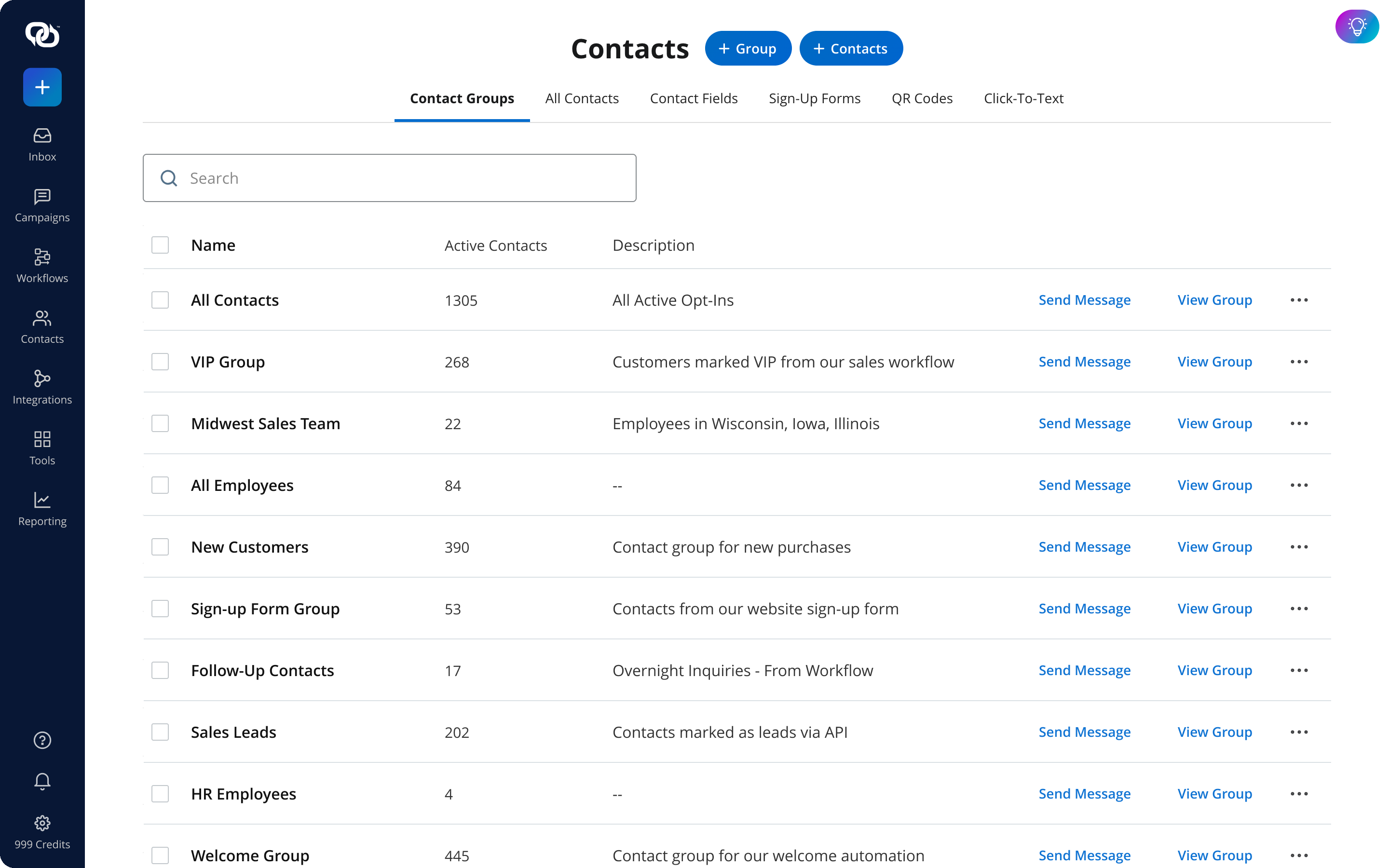
Personalized marketing starts with segmentation: dividing the customer base by purchase history, product category interest, order frequency, and loyalty tier before crafting a single message. Generic broadcast messaging simply can't compete with messaging that reflects what a customer has actually bought and cared about.

Segmentation and Triggered Campaigns

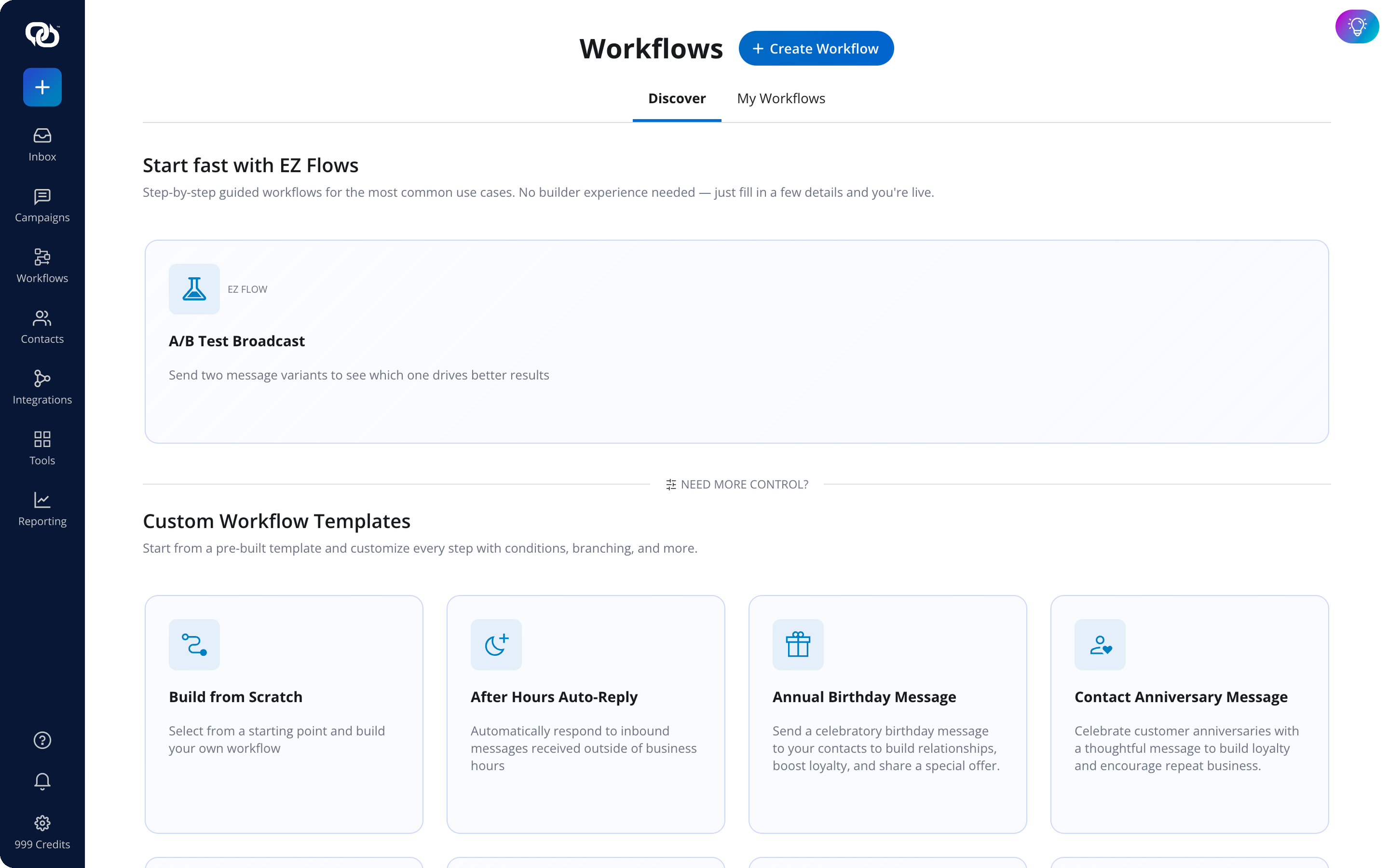
Automated, behavior-triggered campaigns consistently outperform manual broadcast sends for retention. The key triggered campaign types every Shopify store should have running include welcome sequences for new buyers, birthday and anniversary messages, win-back campaigns for lapsed customers, and post-purchase follow-up flows.

Shopify's native data — purchase history, browsing behavior, product categories — feeds directly into segmentation tools, enabling highly specific targeting without merchants having to build manual lists. A customer who bought running shoes three months ago can automatically receive a restock alert or a complementary product recommendation without anyone manually pulling that list.
SMS for Shopify Customer Retention

SMS deserves particular attention as a retention channel because of how directly it reaches customers. A text message lands on a customer's phone without competing with inbox filters, algorithm changes, or the notification overload of a crowded app screen.

The retention numbers reflect that directness: specialty retail businesses running active SMS programs on EZ Texting report 85% or higher annual customer retention, compared to a 60% baseline for stores without SMS.

The highest-impact SMS retention use cases include flash sale and exclusive offer broadcasts, loyalty points and reward notifications, restock alerts for previously purchased products, and reengagement messages for lapsed customers. Each of these gives customers a timely, relevant reason to return rather than a generic nudge.

One caution worth building into any SMS strategy: over-messaging is the leading driver of opt-outs. Frequency should be communicated clearly at opt-in and honored consistently afterward — a customer who signed up expecting occasional updates and gets daily texts will unsubscribe fast, taking that retention channel away entirely.

Post-Purchase Experience and Follow-Up Communication

The post-purchase window is the highest-engagement period in the entire customer relationship, and it's the most important time to reinforce loyalty. A customer who just bought something is paying close attention to your brand. The question is whether that attention gets rewarded with a good experience or left to fade.

Order and Shipping Communication

Customers who receive proactive order and shipping updates are significantly less likely to contact support, and more likely to return for future purchases. This is one of the clearest wins in retention marketing because it solves two problems at once: it reduces cost (fewer support tickets) while improving the customer experience (fewer anxious "where's my order" moments).

SMS outperforms email for shipping notifications specifically because messages are read faster and don't require the customer to open an app or check an inbox — they simply see the update on their lock screen.

A simple order confirmation and shipping update template might look like:

Hi {first_name}, your order #{order_number} has shipped! Track it here: {tracking_link}. Expected delivery: {delivery_date}.

Post-Purchase Follow-Up Sequences

Beyond transactional messages, a broader follow-up strategy should include a thank-you message within 24 hours, a feedback or review request 3-7 days after delivery, a cross-sell recommendation based on the purchased product, and a reorder reminder for consumable products.

Post-purchase SMS sequences outperform email for response rate simply because of the immediacy of text. A customer is far more likely to tap a link or reply to a text within minutes than to open a marketing email days later. Incentivizing review submission via SMS, such as offering loyalty points or a small discount for completing a review, increases review volume while simultaneously reinforcing engagement with the loyalty program itself.
Social Proof and Customer Feedback

Reviews and feedback aren't just a trust signal for new visitors. They're an active retention touchpoint for existing customers.

Reviews and User-Generated Content

Asking a customer to leave a review or share a photo of their purchase creates an active post-purchase touchpoint that extends the relationship well beyond the transaction itself. It gives the customer a reason to re-engage with the brand even after the sale is complete.

SMS review requests achieve higher response rates than email because of the immediacy of text and the lower friction of replying to a message versus opening an email client. Incentivized review generation — offering loyalty points or a discount for submitting a review — keeps existing customers engaged with the loyalty program while growing the store's social proof library at the same time.

Surveys and Customer Feedback Loops

Post-purchase surveys show customers their opinion matters, which strengthens brand affinity and reduces churn. Even a small gesture of asking for feedback signals that the relationship doesn't end at checkout.

SMS surveys outperform email for response rate for the same reason review requests do: a simple one-question rating request sent via text is far easier to respond to than a multi-question email survey. Feedback collected via SMS should feed directly into segmentation. Customers who report a negative experience should be routed to a service recovery flow, while satisfied customers can be invited to leave a public review or join the referral program.

Simplifying the Shopping Experience to Support Retention

A poor post-purchase or repeat-purchase experience undermines every retention marketing effort, no matter how well-crafted the messaging is. Strategy can only go so far if the underlying experience gets in the way.

Mobile optimization is a foundational piece of this. The majority of Shopify traffic arrives via mobile, so slow load times, clunky navigation, and non-responsive design directly reduce repeat purchase rates — a customer who struggles to reorder on their phone may simply give up.

Shipping and returns policies function as retention levers, too. Unexpected shipping costs and complicated return processes are among the most common reasons customers don't repurchase. Free shipping thresholds, clear return windows, and proactive communication about returns via SMS all reduce friction and build the confidence customers need to buy again.

Where subscription models are viable, they simplify repeat purchases for consumable products and generate predictable recurring revenue.

Measuring Shopify Customer Retention

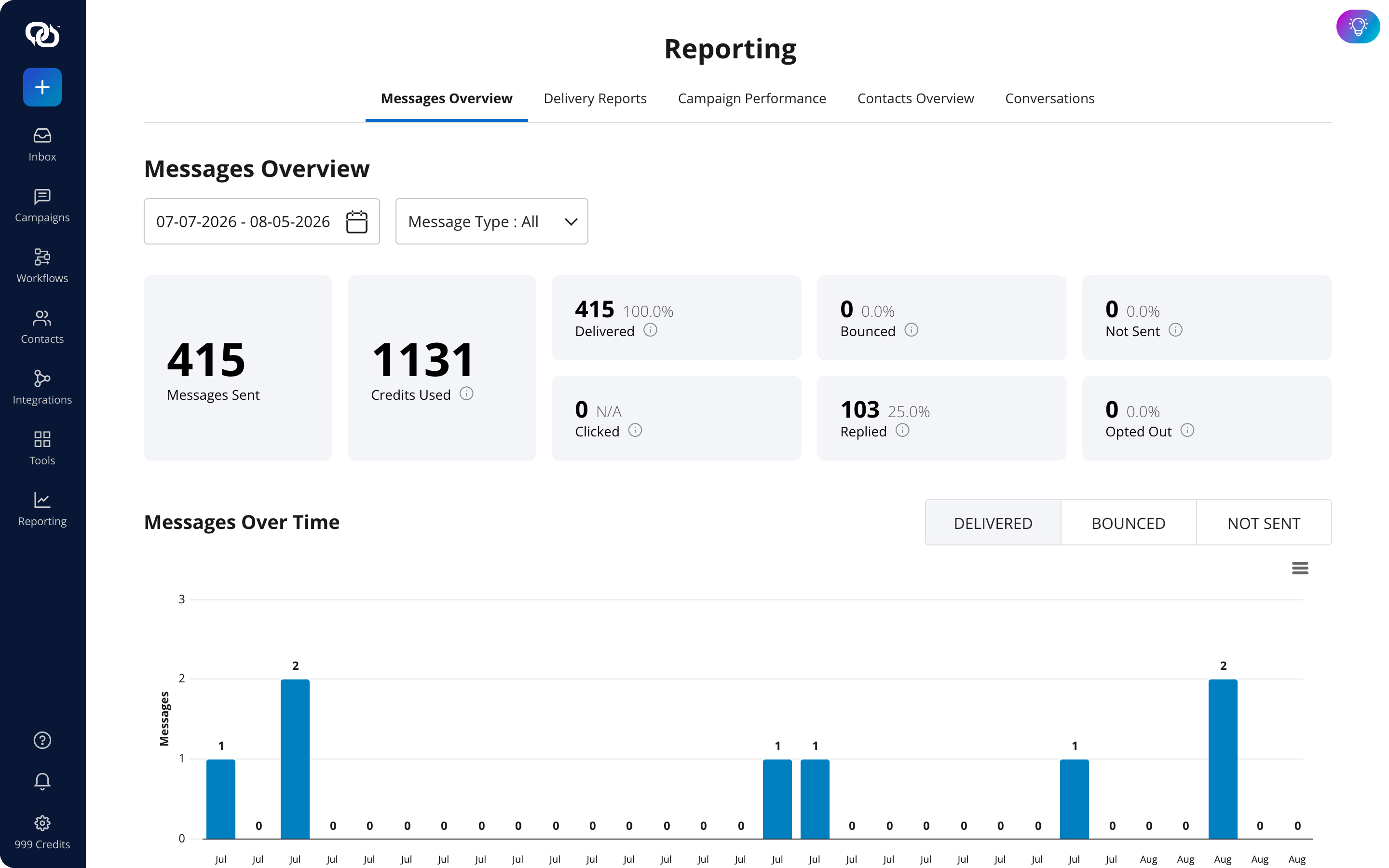
None of these strategies mean much without a clear framework for measuring whether they're working. The core retention metrics every Shopify merchant should track are customer retention rate, repeat purchase rate, customer lifetime value, churn rate, and average order value.

Each metric signals something different, and they need to be read together rather than in isolation. A high repeat purchase rate paired with a low average order value may indicate loyalty without much upsell opportunity — customers keep coming back, but they're not spending more per visit. A declining retention rate despite an active loyalty program, on the other hand, suggests the program isn't delivering enough perceived value to keep customers engaged.

Setting benchmarks means comparing retention metrics before and after implementing each strategy, and segmenting by customer acquisition channel to understand which sources produce the most loyal buyers. Shopify's built-in analytics, combined with an SMS platform's reporting on delivery rate, click-through rate, and opt-out rate, gives merchants a complete picture of what's actually driving retention and what isn't.
How EZ Texting Helps Shopify Stores Retain More Customers

EZ Texting connects directly to Shopify to trigger automated SMS workflows based on customer actions — purchases, review submissions, loyalty milestones, and more — without merchants needing to manage that logic manually.

The platform supports the full retention communication stack covered throughout this article: post-purchase follow-ups, shipping notifications, loyalty and reward alerts, reengagement campaigns, and two-way customer conversations. EZ Texting's contact segmentation tools let Shopify merchants target SMS campaigns by purchase history, loyalty tier, and engagement level without manual list building, so the personalization strategies above are practical to execute rather than theoretical.

Built-in compliance tools handle opt-in tracking and opt-out processing automatically, keeping merchants aligned with TCPA requirements as their SMS program grows.

Start a free trial to connect EZ Texting to your Shopify store and start building the SMS-powered retention flows covered in this guide.

Frequently Asked Questions About Shopify Customer Retention

Shopify customer retention is the practice of encouraging existing customers to return and make additional purchases. A strong retention strategy increases repeat purchase rate and customer lifetime value while reducing the store’s reliance on costly new-customer acquisition.

SMS helps Shopify stores reach customers with timely, personalized messages based on their purchase history and behavior. Merchants can use text messaging for replenishment reminders, loyalty reward notifications, restock alerts, exclusive offers, shipping updates, review requests, and win-back campaigns.

High-impact retention campaigns include replenishment reminders for consumable products, loyalty point expiration alerts, VIP-exclusive product drops, personalized win-back offers, and one-click reorder messages. The best campaign type depends on what the store sells and how frequently customers typically repurchase.

Merchants should evaluate customer retention rate, repeat purchase rate, customer lifetime value, churn rate, and average order value together. SMS delivery rates, click-through rates, conversions, and opt-out rates can also show which retention messages are producing results.

Message frequency should match what customers were told when they opted in. Stores should prioritize relevant, behavior-based messages over frequent generic promotions, since over-messaging can increase opt-outs and weaken long-term customer relationships.

Stores should obtain clear consent before sending marketing texts, explain the expected message frequency, and provide an easy way to opt out. They should also maintain accurate opt-in records and use a texting platform with built-in tools for consent tracking and automatic opt-out processing.

14-DAY FREE TRIAL
Take EZ Texting for a Spin
The easiest way to add SMS to your business. No credit card required.
1,000+ five-star reviews

Join the 230,000+ Who Have Used EZ Texting to Connect with Their Audiences.