How to Keep Customers Coming Back to Your Online StoreView as Markdown

Most online stores lose customers after the first sale by going silent. This guide covers the post-purchase habits, loyalty tactics, and text marketing plays that keep customers coming back for a second order and beyond.


Woman stepping into a boutique at night under a pink neon Welcome back sign in the window
Key Takeaways
  • Repeat customers spend more per order than first-time buyers, and acquiring a new customer can cost 5 to 25 times more than keeping an existing one.
  • Top retention strategies include post-purchase follow-up, personalization, loyalty programs, text message marketing, win-back automation, and ongoing measurement.
  • Customer retention tactics are grouped into free, low-cost, and paid options so store owners can immediately start to implement the strategies that fit their budget.

Why Repeat Customers Matter More Than New Ones

It’s much more expensive to acquire a new customer compared to retaining an existing one. Depending on the industry, acquiring a new customer can cost anywhere from 5 to 25 times more than retaining an existing one, according to Harvard Business Review. That’s a lot of money.

Additionally, returning customers tend to spend more per order and purchase more frequently than first-time shoppers, which boosts their value even more. A small increase in your customers’ return purchase rate can compound into meaningful revenue growth over a year. It can be helpful for small business owners to think of customer retention as a growth strategy and prioritize it as such, rather than thinking of it as a customer service afterthought that may not receive the attention and resources it should.

Through the remainder of this article, we’ll help you build a practical, budget-aware plan for keeping your customers coming back.

The days immediately following a purchase are the highest-opportunity window for building new customer loyalty.

Common Reasons Online Shoppers Don’t Return

It’s useful to think about your own online shopping habits and identify some reasons you haven’t returned to buy again. It may have been due to one of these common factors:

  • Poor post-purchase communication: Many stores focus entirely on gaining that first sale and stop communicating once the order ships. This is short-sighted and wastes the most valuable resource a business has (return customers).
  • Generic marketing that ignores purchase history: Blasting out a non-personalized marketing campaign doesn’t make your customers feel like you actually know them or care about who they are and what they’ve purchased before. This makes the people who have trusted you by giving you their money feel undervalued and increases the likelihood of them not returning for more purchases.
  • Slow or nonexistent shipping updates: Today’s buyers, particularly online, expect regular and timely order and shipping updates. If yours are inadequate in information or slow to arrive to the customer, it makes you seem unprofessional and frustrates buyers.
  • No incentive to come back: Rewarding a first purchase with a 10% off promo code or another perk on their next visit goes a long way toward making customers feel valued and incentivizing a return purchase. If you don’t offer new customers anything special after their first purchase, you may want to audit your post-purchase emails and texts to see how you can improve this.

Build a Post-Purchase Experience That Encourages Repeat Visits

The days immediately following a purchase are the highest-opportunity window for building new customer loyalty. A basic post-purchase contact sequence (via text, email, or both) includes:

  • Order confirmation
  • Shipping update/s
  • Delivery confirmation
  • Follow-up check-in message timed shortly after expected delivery

Consider the value of a personal thank-you message that references the specific product purchased, rather than generic language like “thank you for your business.” The latter is certainly better than nothing, but a message that includes a customer’s name and/or information about what they actually purchased makes them feel more taken care of. You may also want to implement a soft next step in the follow-up, such as a request for a photo review or an invitation to join your loyalty program.

Accurate, honest shipping timelines and being up-front and clear about all your policies throughout the buying and delivery sequence builds the trust needed for a customer to order again. Don’t over-promise and under-deliver.

Use Customer Data to Personalize Every Interaction

Segmenting your contacts by purchase history, browsing behavior, and order frequency (as well as any other relevant information) allows for more personalized and meaningful follow-up offers. Some examples of personalized messaging might include restock alerts for a previously purchased item (or one that was out of stock during a previous visit) or a discount on a complementary product.

Using a customer’s name and referencing their last order builds a sense of recognition and familiarity and helps them feel appreciated. Ideally, your text and/or email marketing platform allows you to collect, enter, and segment customer information. If not, that’s something you should seriously consider upgrading to.

It’s a good idea to start segmenting customers into basic categories such as first-time buyers, repeat buyers, and lapsed buyers before layering in more advanced behavioral data (abandoned carts, purchase type/cadence, etc.).
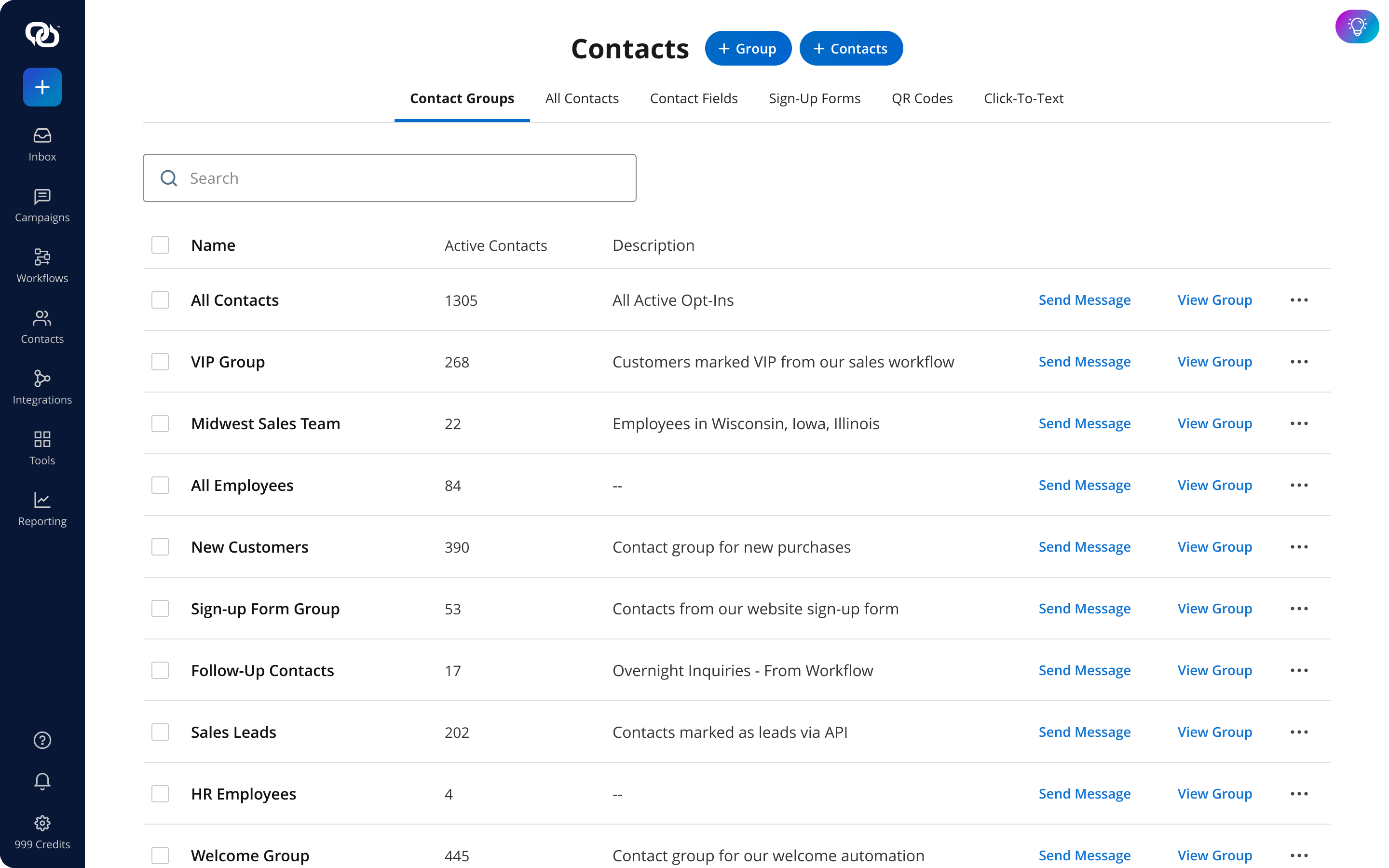
EZ Texting contact groups list with segments such as VIP Group, New Customers, Sign-up Form Group, and Welcome Group.

Contact groups let you segment customers by purchase history or status, like VIPs and new buyers, and message each group differently.

Create a Loyalty Program That Rewards Repeat Purchases

Loyalty programs can be a good way to develop a growing list of repeat customers. There are different types of loyalty program structures that you might consider, depending on your personal preference, business type, product line, and more. Some common options include customers earning points per dollar spent, tiered rewards, and punch-card style incentives for discounts or free items.

Ideally, any effective loyalty program should reward customers both emotionally (early access, recognition, VIP treatment for top spenders) and transactionally (discounts, free shipping, free products). Keeping a customer’s loyalty status prominent through order confirmations and account pages keeps the program visible and helps incentivize customers to stay in the program and meet any purchase tiers or goals to retain their benefits.
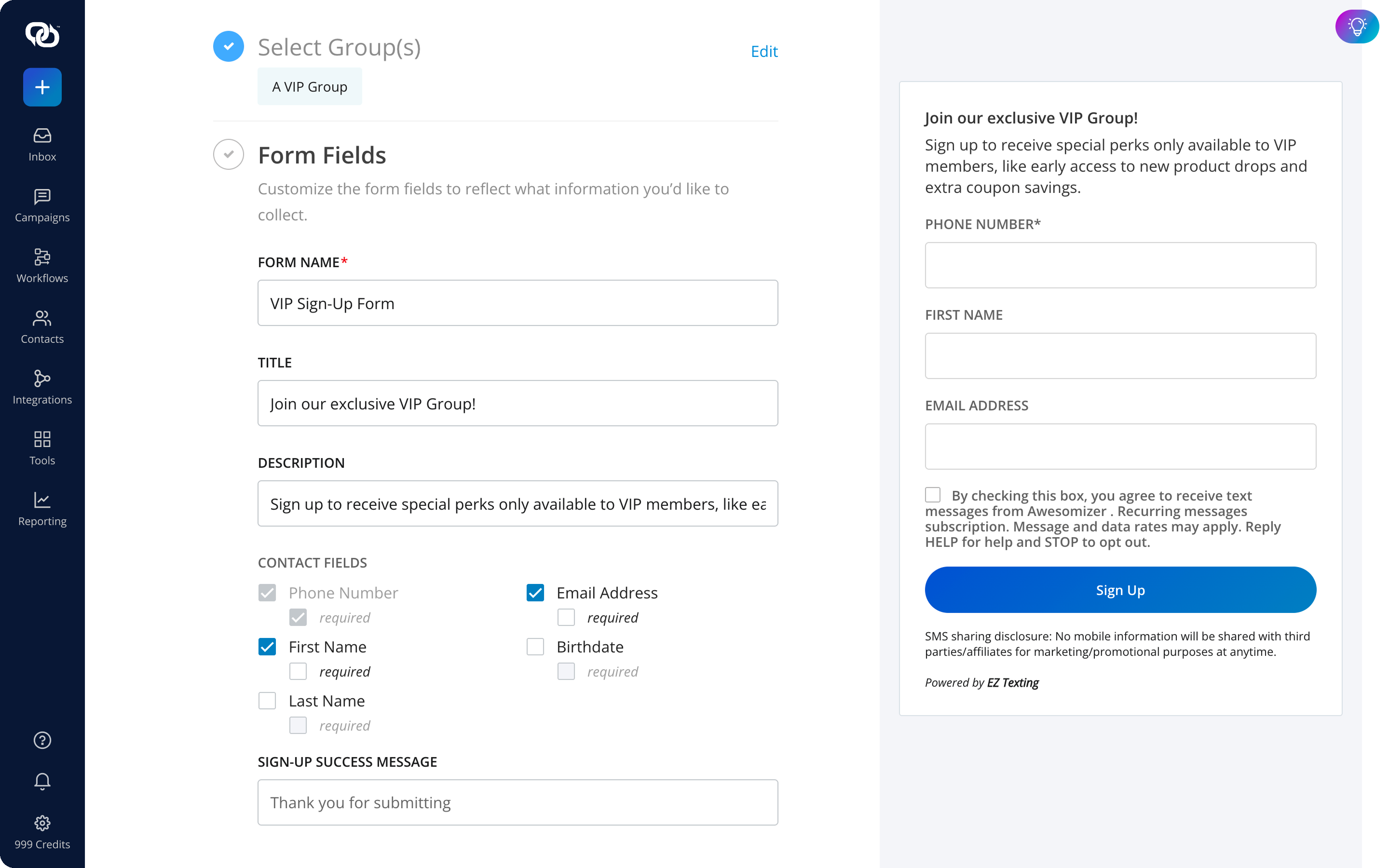
EZ Texting sign-up form builder creating a VIP Group form that offers members early access and extra coupon savings.

A text sign-up form for a VIP group gives loyal customers early access and member-only offers, with consent language built in.

If you’re leery of implementing a robust, full-featured loyalty program, consider starting with a lightweight strategy, such as a basic, percentage-off reward after a set number of purchases, before building a more complex tier system.

Even if you don’t want or feel like you can’t start a full loyalty program now, doing simple actions such as recognizing purchase milestones (like rewarding a customer’s fifth order with a surprise perk, discount, or freebie) reinforces the relationship without requiring a full loyalty platform.

Use Text Message Marketing to Stay Top of Mind Between Purchases

Text messages are read within minutes of delivery far more consistently than marketing emails, making them well-suited for time-sensitive offers and restock alerts, as well as making sure the purchase and delivery process notifications make customers feel important and informed.

A platform like EZ Texting allows online store owners to send segmented promotions, loyalty updates, purchase/shipping confirmations, and restock alerts without needing technical expertise or a long setup process. Some practical retention use cases for text marketing include exclusive subscriber discounts, flash sale alerts, restock notifications for previously viewed or purchased items, and abandoned cart reminders. Text messaging is ideally suited for each of these timely reminders and notifications.

Additionally, two-way texting lets customers ask questions or respond to offers directly, which builds a more personal connection than one-way email marketing communications.

Stay Compliant With Opt-In and Opt-Out Texting Requirements

Remember that businesses must obtain explicit written consent before sending promotional text messages, even to existing customers, and should maintain records showing when and how that consent was collected. Businesses must also make opting out simple and clear, including wording such as “reply STOP to unsubscribe” in their messages. Maintaining accurate suppression lists is also important so customers who have opted out are not inadvertently added back to marketing campaigns.

EZ Texting

EZ Texting makes this easy, and following these practices helps businesses meet compliance obligations while protecting message deliverability and building customer trust.

Automate Win-Back Campaigns for Customers Who Have Gone Quiet

An easy way to start winning back customers is by setting a time-based threshold to identify the ones you want to target first, such as those who have made repeat purchases in the past but haven’t bought anything in the previous 60 or 90 days (depending on your particular business model and preferences).

You could consider implementing a straightforward win-back text sequence: a check-in message, followed by an incentive offer if there is no response. Today’s better platforms allow automated triggers to remove the manual work of tracking which customers have gone quiet and when to send campaigns.

You can also test different incentive types, such as a discount versus free shipping, to see which brings lapsed customers back most effectively, and focus on that for future campaigns based on the results.

Choose Retention Tactics That Fit Your Budget

Free Methods

Businesses can strengthen customer relationships without increasing their marketing budget. Some free tactics include sending personalized thank-you messages after purchases, requesting feedback, and segmenting an existing contact list based on factors such as purchase history, engagement, or customer preferences. These approaches can make communication more relevant while helping businesses better understand their existing customers.

Low-Cost Customer Retention Tactics

With a modest budget, you can introduce incentives and campaigns that encourage repeat purchases. Options include launching a basic loyalty program, running a win-back text campaign for customers who have not purchased recently, or offering a small discount to lapsed customers. These tactics can be tested with specific customer segments before being expanded more broadly when they are shown to be effective in your specific case.

Paid Strategies

If you’re ready to invest more heavily in retention you can implement an ongoing text marketing program with automation and MMS capabilities. Automated campaigns can support personalized follow-ups, purchase reminders, loyalty messages, and win-back communications at scale. Businesses may also choose to invest in advanced segmentation tools that use customer behavior, purchase history, engagement, and other data to create more targeted retention campaigns.

New or small online store owners should generally start with one no- or low-cost tactic rather than attempting to implement all of the above strategies at once.
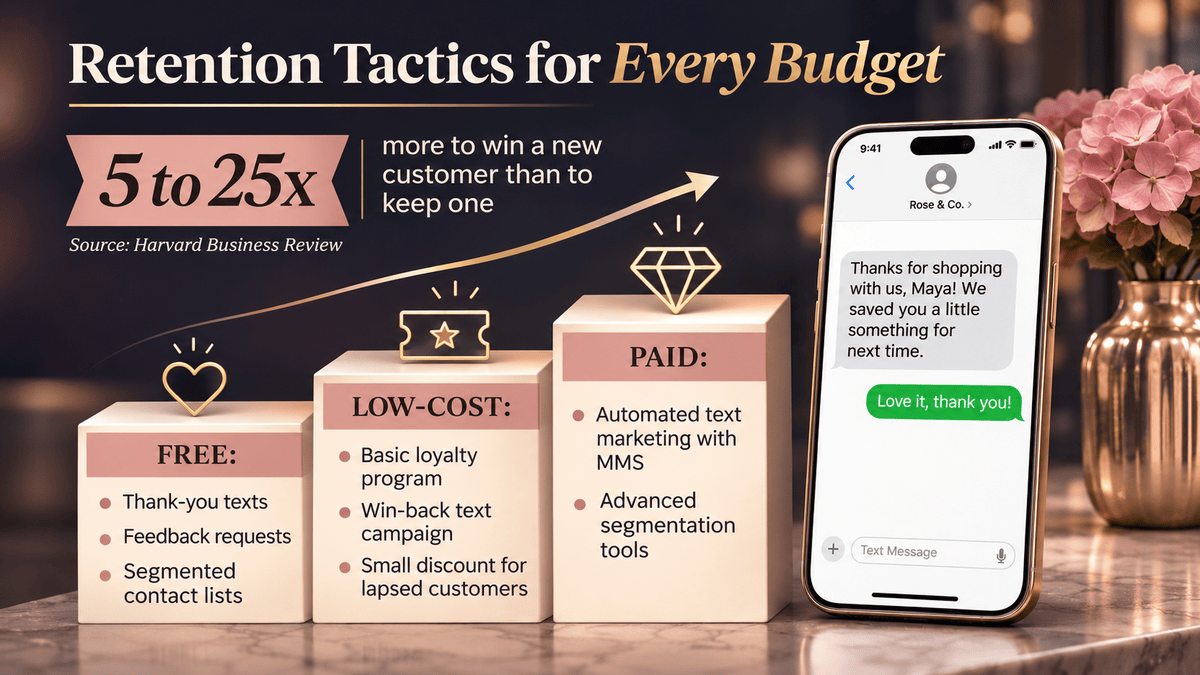
Infographic: customer retention tactics for every budget, from free thank-you texts to paid automated text marketing, next to an iPhone thank-you text

Retention tactics by budget: free (thank-you texts, feedback requests, segmented lists), low-cost (a loyalty program, win-back texts, small discounts) and paid (automated text marketing with MMS, advanced segmentation). Winning a new customer can cost 5 to 25 times more than keeping one (Harvard Business Review).

Track the Right Metrics to Know If Retention Efforts Are Working

Tracking the right metrics is vital to help you understand when and how retention efforts are producing results. Core metrics to track (when possible) repeat purchase rate, customer retention rate, average order value among returning customers, and customer lifetime value (CLV). Together, these measures show how frequently customers return and how much value they generate over time.

Comparing your customer acquisition cost (CAC) with CLV can also indicate whether your retention investments are paying off. When customers generate significantly more value than it costs to acquire them, that’s a clear signal that your retention efforts are working toward stronger long-term returns.

For text and email marketing, monitor opt-in rates alongside engagement metrics such as clicks, responses, conversions, and repeat visits. These measurements can reveal which channels and campaigns are effectively bringing customers back.

Review your retention metrics at least monthly, identify any trends, and adjust your tactics accordingly. Increase investment in the strategies that are generating repeat business.

Start Turning First-Time Buyers Into Repeat Customers

Keeping customers coming back requires consistent post-purchase communication, personalization, loyalty incentives, and a marketing channel that reliably reaches customers.

Text message marketing gives online stores a direct line to customers for restock alerts, loyalty updates, purchase updates, and win-back offers without a long setup process. Smarter businesses should evaluate their current retention approach against the tactics outlined in this article and identify one gap to address first. If you’re leaving money on the table and could improve your processes without a significant outlay of funds or effort, you owe it to yourself to do so.

Start your free trial and learn how EZ Texting helps build text campaigns that keep customers coming back.

Frequently Asked Questions About Keeping Customers Coming Back

There is no universal retention budget for every online store. The right amount depends on revenue, margins, and existing retention rates. Small businesses should prioritize cost-effective tactics such as text and email marketing, loyalty programs, personalized offers, and strong customer service, then increase spending as they identify strategies that generate measurable returns.

Some retention efforts can produce results within weeks, while others require several months to demonstrate a clear impact. Email and text campaigns, personalized promotions, and abandoned-cart messages may generate relatively quick responses. Loyalty programs, improved customer experiences, and long-term engagement strategies generally require more time to influence repeat purchase rates and customer lifetime value, but they can be well worth it.

Customer acquisition focuses on attracting and converting new customers, while customer retention focuses on keeping existing customers engaged and encouraging repeat purchases. Acquisition strategies may include advertising, SEO, and promotions, while retention strategies often use personalized communication, loyalty programs, customer support, and targeted offers. Most online stores need both approaches to support sustainable growth.

14-DAY FREE TRIAL
Take EZ Texting for a Spin
The easiest way to add SMS to your business. No credit card required.
1,000+ five-star reviews

Join the 230,000+ Who Have Used EZ Texting to Connect with Their Audiences.